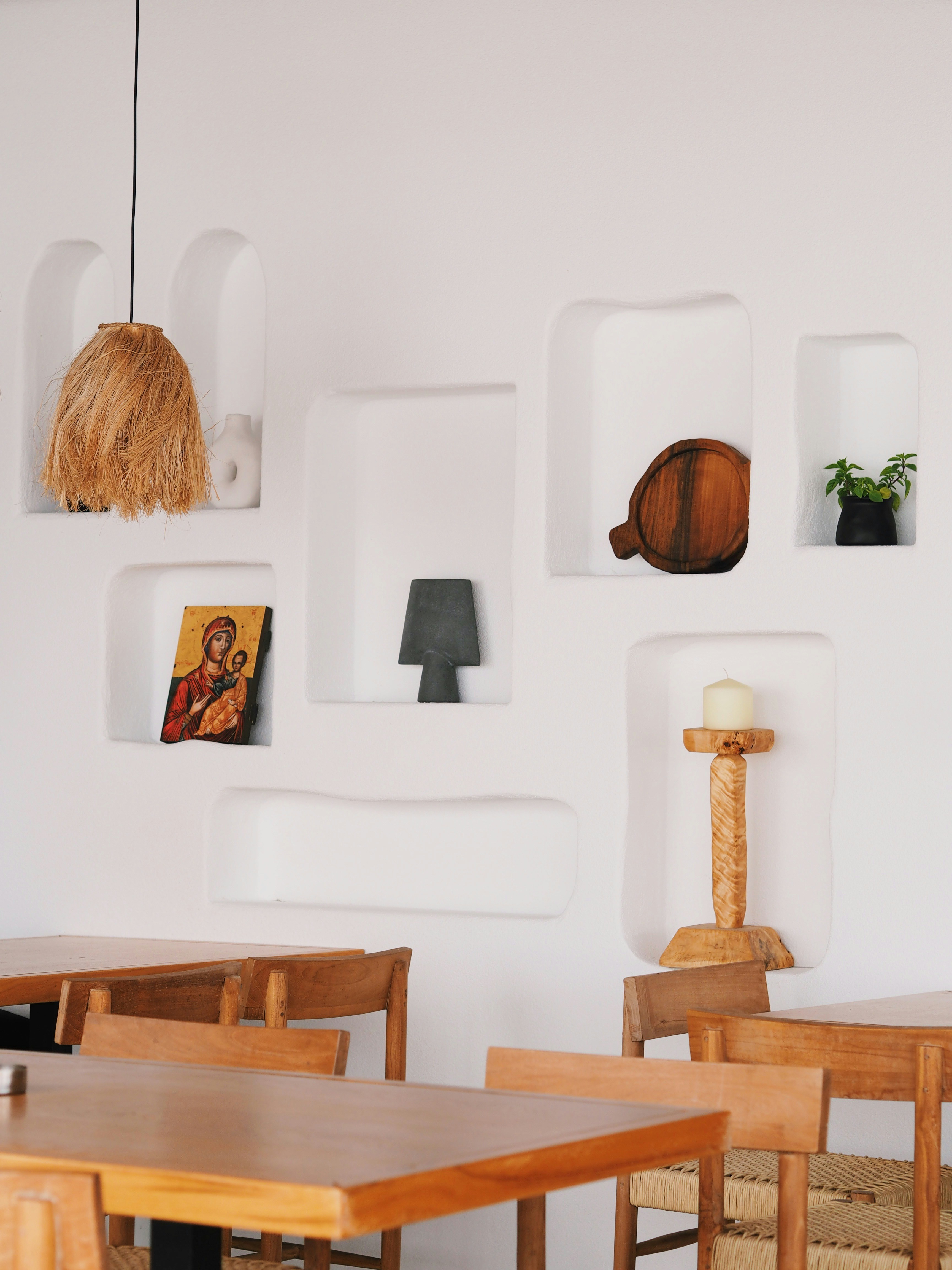
Understanding Minimalism in Home Decor
Minimalism in home decor embodies the principle of simplicity, emphasizing clean lines, uncluttered spaces, and functional furnishings. This approach encourages individuals to focus on what is truly essential, stripping away excess elements that do not serve a purpose or contribute to the aesthetic appeal of a home. At its core, minimalist decor is about creating an environment that promotes peace and serenity, allowing for greater adaptability in today’s fast-paced world.
The mindset behind minimalist living typically emanates from a desire to live with intentionality. By eliminating distractions and unnecessary possessions, individuals can create a more harmonious atmosphere in their living spaces. Adopting a minimalist aesthetic often involves a thorough process of decluttering, where homeowners assess each item and determine its value to their lifestyle. This act of simplification not only helps in reducing physical clutter but also aids in mental clarity, allowing individuals to focus on experiences rather than things.
Choosing a neutral color palette is another hallmark of minimalist decor. Soft whites, grays, and earth tones help to create a calming environment, enhancing the sense of openness and spaciousness within a room. These color choices can be paired with natural materials like wood and stone, contributing to a cohesive and elegant design without overwhelming the senses. Furthermore, this approach emphasizes quality over quantity, directing attention toward fewer, but higher-quality items, such as carefully selected furniture pieces or art that resonates with the inhabitant’s values.
Many people are increasingly drawn to minimalism due to shifting socioeconomic circumstances. Future economic stresses and lifestyle changes may lead individuals to reconsider their spending habits, gravitating towards a simpler way of living. A minimalist approach not only supports sustainable living through reduced consumption but also often results in significant financial savings. As such, embracing minimalism is not just a design choice; it is a holistic approach towards a way of life that values clarity, tranquility, and functionality.
Creating a minimalist home does not have to lead to a substantial financial outlay. There are a variety of budget-friendly shopping tactics that can aid in curating a space that reflects minimalist principles while remaining cost-effective. One of the effective strategies aims at exploring thrift stores and consignment shops. These venues often house a diverse array of unique decor items that can be obtained at a fraction of their retail price. Moreover, due to their eclectic nature, thrifted items have the potential to impart character to the minimalistic aesthetic.
Online marketplaces are another resourceful avenue for budget-conscious shoppers. Websites and apps such as eBay, Facebook Marketplace, and OfferUp enable individuals to discover a plethora of gently used decor pieces. Filters can be used to narrow down searches, ensuring the items align with one’s aesthetic preferences, such as clean lines or neutral colors, which are hallmarks of minimalist design.
Seizing the opportunity to purchase during sales, special promotions, or holiday discounts can also lead to significant savings. Many home decor retailers host seasonal sales and clearance events, providing an excellent chance to acquire quality items at a lower cost. Additionally, signing up for newsletters from these retailers could ensure access to exclusive discounts and early notifications on sales.
When acquiring new pieces, it is imperative to consider functionality and versatility. Selecting decor items that fulfill multiple purposes—such as a decorative basket that can also serve as storage—encourages a minimalist approach while maintaining budgetary constraints. Furthermore, engaging in DIY projects can add a personal touch to your space without the need for excessive expenditure. Simple ventures like repainting an old piece of furniture or crafting wall art can yield stunning results.
Key Minimalist Decor Ideas
Incorporating minimalist decor into your home does not have to be an expensive endeavor. Below are seven practical and budget-friendly ideas that can enhance various rooms, emphasizing simplicity and functionality.
1. Neutral Color Palette: Opting for a neutral color palette is fundamental in minimalist design. Shades of white, beige, grey, and pastels create an uncluttered look. Consider painting your walls in these colors to instantly brighten your space and provide a tranquil backdrop.
2. Multifunctional Furniture: Invest in furniture that offers dual purposes to maximize utility without occupying much space. A sofa bed, for example, can serve both as a couch for lounging and a bed for overnight guests, illustrating how functionality can adhere to minimalist principles.
3. Simple Wall Art: Choose artwork that enhances the decor without overwhelming it. A single large canvas or a set of three small framed pieces can serve as a focal point without cluttering the walls. Abstract or monochromatic designs often align with the minimalist aesthetic while adding a touch of sophistication.
4. Decluttered Surfaces: One of the core tenets of minimalist decor is maintaining clear surfaces. Limit decorative items on tables and shelves to just a few well-selected pieces, such as a small plant or a single candle, that contribute to the overall ambiance without creating visual chaos.
5. Natural Elements: Incorporate natural materials such as wood, stone, or plants to add warmth to your space. A wooden coffee table or a few potted plants can bring life into the home while adhering to a minimalist style.
6. Statement Lighting: Install minimalist lighting fixtures that draw the eye without being overly elaborate. Consider pendant lights with sleek lines or floor lamps with a simple design to illuminate your rooms effectively and stylishly.
7. Open Layouts: Whenever possible, create an open layout that facilitates movement and reduces the feeling of confinement. Rearranging furniture to promote flow can enhance the minimalist aesthetic, ensuring spaces feel larger and more inviting.
Maintaining Your Minimalist Space
Maintaining a minimalist space entails a conscious commitment to preserving simplicity and order. First and foremost, it is essential to establish a regular cleaning and decluttering routine. Setting aside a designated time each week or month to evaluate your belongings can help prevent clutter accumulation. As minimalism thrives on the principle of having less, this practice allows you to thoughtfully consider the necessity of each item in your space.
Another vital aspect of maintaining a minimalist aesthetic is to avoid common mistakes that can detract from your designed environment. For instance, many individuals mistakenly overcrowd surfaces with decorative items, which contradicts the essence of minimalism. Instead, opt for a select few meaningful pieces that resonate with you. This selective approach not only highlights your décor but also reinforces the philosophy of quality over quantity.
Additionally, being mindful when making purchases is critical in supporting a minimalist lifestyle. Before acquiring a new item, ask yourself if it serves a practical purpose or contributes positively to your space. Ideally, new purchases should reflect your aesthetic values while enhancing your environment. Emphasizing necessity will keep your surroundings aligned with minimalist principles.
To refresh your décor periodically, consider rotating items or introducing seasonal accents that are in harmony with your existing color scheme. These small changes can rejuvenate your space without creating clutter. Moreover, emphasize multifunctional furniture that not only reduces the total number of items but also enhances the functionality of your living area.
Ultimately, maintaining a minimalist space involves a combination of mindful habits, regular assessments, and a commitment to simplicity. By prioritizing quality and intention in your living environment, you will foster a peaceful atmosphere that mirrors your minimalist ideals.